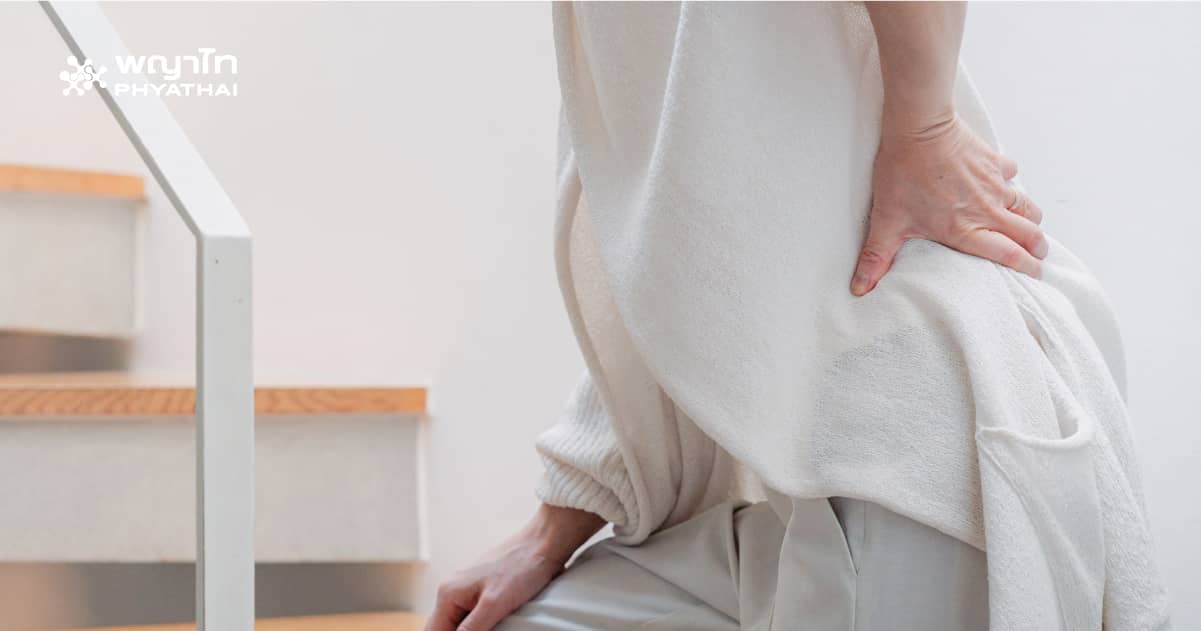
Osteoporosis is a condition where bone mineral density decreases significantly to a critical level, resulting in weakened bones. When an accident occurs, there is a high risk of bones breaking easily. But how do we know if we are approaching osteoporosis? The answer is ‘bone mineral density measurement.’ This is done using specialized equipment because X-rays alone may not detect it in detail. Therefore, BMD (Bone Mineral Density) testing or DEXA scan is used, mainly examining two important parts of the body: the spine and the hip bones, as these two areas are often severely injured in elderly people who have accidents.
Who should be screened for osteoporosis?
- Women entering menopause or postmenopausal age (approximately 45 years and older)
- Women who have had both ovaries removed before menopause
- People who consume caffeinated beverages such as tea, coffee, or soft drinks
- People who smoke or regularly consume alcohol
- People who use steroids or hormone-suppressing drugs for a long time
- People who engage in heavy exercise because if they have osteoporosis, they may be at risk of bone fractures even from minor impacts
Preventing bone fractures in the elderly caused by osteoporosis
Our bodies have a natural mechanism to break down worn-out bone parts and rebuild new bone in a regular cycle. However, when this balance is lost, such as when bone breakdown exceeds new bone formation or bone formation is insufficient, bone mineral density gradually decreases, leading to osteoporosis. This affects daily life, for example, even a minor fall can easily cause fractures in the elderly. Moreover, if a person has already had a fracture due to osteoporosis, there is up to a 50% chance of fractures occurring in other areas. Therefore, regular bone mineral density checks every 1-2 years are very important to prevent fractures and treat osteoporosis from the early stages.
Osteoporosis screening for certainty… Benefits of the DEXA scan
- Assess bone mass status, such as osteoporosis or osteopenia
- Evaluate the risk of bone fractures
- Monitor osteoporosis treatment
- Provide quick results from two main points: the spine and the hip bones
- Highly safe
- Affordable
Osteoporosis does not cause pain… but should not be ignored
Osteoporosis is a disease that usually does not cause symptoms by itself, except in severe cases. It is often only recognized when a minor fall causes a bone fracture. It is a silent threat that many overlook because it shows no symptoms until a bone breaks, requiring long-term treatment. Diagnosis often reveals that the cause is osteoporosis.
How to treat osteoporosis?
If osteoporosis is detected, the main treatment approach is to inhibit bone breakdown through oral medications or injections, combined with calcium supplementation. Therefore, taking care of your body to maintain strong bone mass is essential. Eat a balanced diet with all five food groups, focusing on foods rich in calcium and vitamin D, such as vegetables and small fish to nourish the bones. Avoid tea, coffee, and soft drinks. Get gentle morning sunlight to help the body produce vitamin D. Exercise regularly to increase muscle mass and strength, which helps support impact forces and prevents bone fractures during falls. Additionally, regular bone mineral density checks help detect symptoms early, allowing for prompt treatment and effective osteoporosis prevention.
“Osteoporosis: Know early, treat early, prevent through bone density testing (BMD)”
