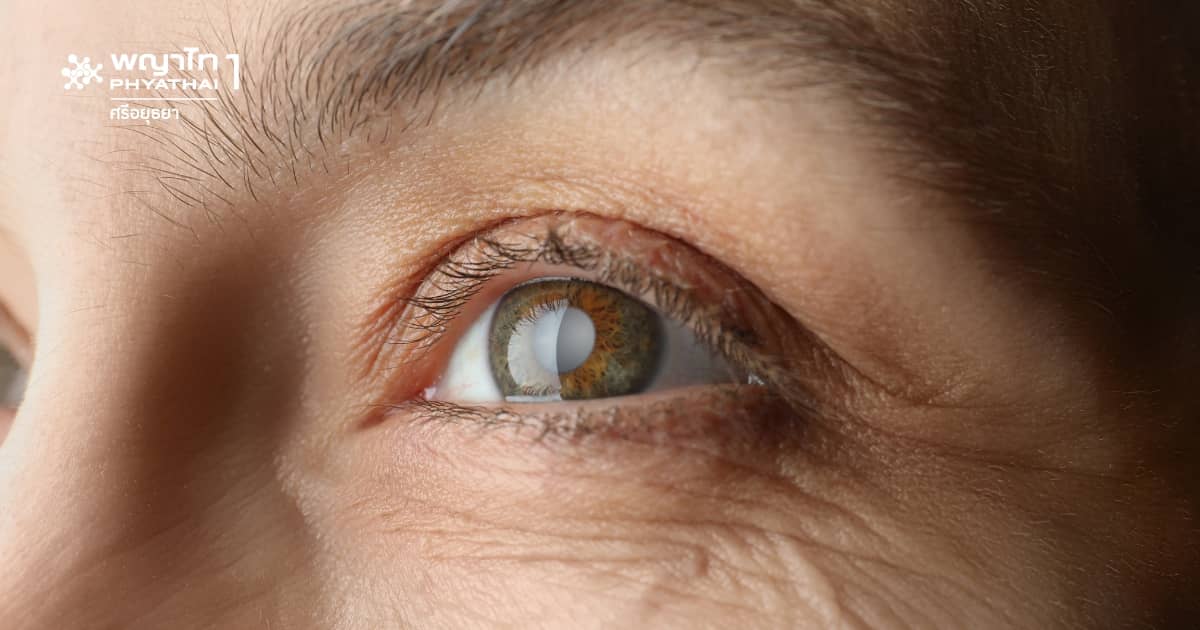
The World Health Organization estimates that the number of people who are ‘blind’ due to cataract disease is as high as 20 million worldwide, accounting for about 51% of all cataract patients. Cataracts are also the second leading cause of reduced visual quality, after refractive errors, accounting for approximately 33%. Nearly 90% of blindness caused by cataracts occurs in developing countries.
What is Cataract?
Cataract is an eye disease caused by clouding of the lens, leading to decreased vision and potentially blindness. The symptoms develop slowly and may affect one or both eyes simultaneously. Generally, lens clouding increases with age, naturally occurring in people over 40 years old. However, cataracts can also be found in newborns and caused by other factors besides aging.
The Function and Importance of the Lens
The “lens” is the organ located at the front of the eyeball, playing a crucial role in focusing light entering the eye onto the retina, which then sends signals to the brain to be interpreted as images. Normally, the lens is clear, allowing light to pass through the eye properly. When the lens becomes cloudy, less light reaches the retina, affecting light distribution and focusing on the retina, resulting in reduced visual quality.
Symptoms of Cataract
People with cataracts see blurry images as if covered by fog or haze. Vision gradually worsens, often more blurred during the day or in bright light but clearer at night. Colors appear faded, some may see double images, halos around lights, sensitivity to glare, or develop nearsightedness requiring frequent changes in glasses. In early stages, glasses may improve vision, but in advanced stages, glasses no longer help. Some may experience scattered light, color changes, eye pain, headaches, or complications like glaucoma. Vision impairment from cataracts increases the risk of falls and depression.
10 Causes of Cataract
There are many factors causing cataracts. Even mild nearsightedness less than -6 diopters is a risk factor. Additionally, anyone over 40 years old usually experiences natural lens clouding with age. Although the exact mechanism of cataract formation is unclear, the main cause is natural lens degeneration. Other less common causes include:
- Congenital or genetic abnormalities, such as rubella infection from the mother during pregnancy, congenital syphilis, Down syndrome
- Eye diseases, such as retinopathy of prematurity, absence or underdevelopment of the iris, iritis, eye infections, glaucoma, retinal detachment, retinitis pigmentosa
- Eye trauma or previous eye surgery, such as blunt trauma or electric injury
- Exposure to radiation, such as X-rays, sunlight especially UVB rays, microwaves
- Low vitamin C intake and low blood vitamin C levels
- Smoking and alcohol consumption
- Use of steroids in any form
- Complications from systemic diseases such as diabetes, hypertension, schizophrenia, metabolic disorders, malnutrition
- Certain skin diseases, such as atopic dermatitis, chronic eczema, ichthyosis, basal cell carcinoma, pemphigus
- Environmental and occupational factors, such as prolonged exposure to sunlight or working in welding without protective equipment
How to Prevent Cataracts
Cataract prevention involves avoiding the risk factors mentioned above, such as:
- Wearing sunglasses when outdoors or in bright sunlight
- Avoiding direct staring at the sun to prevent UV exposure
- Creating a suitable work environment with adequate lighting and proper viewing distance
- Taking regular breaks when using eyes for long periods, especially when looking at computer or mobile screens
- Wearing protective equipment if working in environments with eye injury risks
- Consulting an ophthalmologist before using any eye drops
- People over 40, especially those with chronic diseases like diabetes or hypertension, should control their conditions well and have an eye exam at least once a year
Do Vitamins or Supplements Help Prevent Cataracts?
Although there is a belief that consuming antioxidant-rich foods or certain vitamins such as vitamins A, C, or E, beta-carotene, zinc, and copper can reduce the risk of cataracts, studies have found that these supplements have little effect.
A study in Italy on vitamin, mineral, and supplement intake found that while these may reduce the risk of cataracts in the central part of the lens, they may increase the risk of cataracts in the back part of the lens instead.
Additionally, there is insufficient evidence to support the use of lutein and zeaxanthin supplements to reduce cataract risk. Taking statins for high cholesterol has also been found unrelated to cataract risk.
Finally, anyone experiencing gradual vision blurring or decreased clarity, even if corrected with glasses or contact lenses, should regularly see an ophthalmologist for a thorough eye exam to ensure that the vision changes are not due to serious eye diseases, so that appropriate treatment can be provided promptly.
