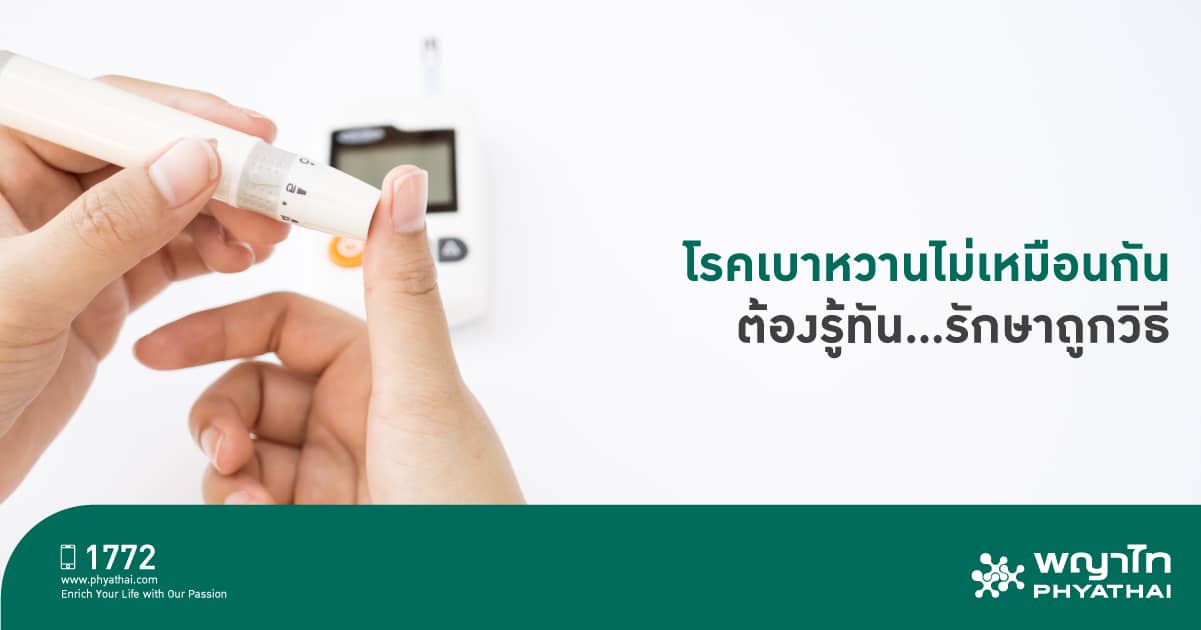
The word ‘diabetes’ comes from the words ‘light’ and ‘sweet’ Light refers to urine, while sweet here means having sugar mixed in. ‘Diabetes’ therefore means sweet urine, because there is sugar in the urine.
Diabetes disease is a condition where the body has abnormally high blood sugar levels, caused by the body’s inability to use sugar as energy normally. Patients with diabetes are at high risk of developing various complications, including heart and blood vessel diseases, high blood pressure, kidney disease, eye disease, and nervous system disorders.
What are the differences among the 4 types of diabetes?
Diabetes can be divided into 4 types according to the criteria of the American Diabetes Association, based on the causes of the disease, including:
- Type 1 Diabetes
This disease is caused by the destruction of the beta cells of the pancreas by the body’s immune system. It is commonly found in children and young people who are not overweight. Symptoms include frequent urination, excessive thirst, fatigue, weight loss. Sometimes symptoms can develop rapidly and severely, such as diabetic ketoacidosis.
- Type 2 Diabetes
This is the most common type of diabetes, accounting for about 95% of all diabetes cases. The main pathology found in type 2 diabetes patients is insulin resistance combined with progressive destruction of pancreatic beta cells, leading to a gradual decrease in insulin. It is often found in people aged 30 and above, who are overweight or obese. Symptoms are usually mild and develop gradually. The cause of type 2 diabetes is a combination of genetic factors and environmental factors such as excess body weight and lack of exercise.
- Gestational Diabetes
This occurs due to increased insulin resistance during pregnancy, caused by hormones secreted from the placenta and changes in various hormone levels. This type of diabetes is often latent, meaning that fasting blood sugar levels are normal, but when pregnant women drink a sugary drink (75 gram oral glucose tolerance test), their bodies cannot lower blood sugar levels. Generally, this type of diabetes resolves after delivery.
- Diabetes with Specific Causes
This type of diabetes has clear causes, including diabetes caused by genetic abnormalities (MODY – Maturity-Onset Diabetes of the Young), diabetes caused by pancreatic diseases, medications, or diabetes associated with various syndromes such as Down syndrome, Turner syndrome, Prader-Willi syndrome.
Diabetes Treatment Guidelines
Lifestyle modification is important in managing diabetes patients. It includes eating a nutritious diet, appropriate exercise, getting enough sleep, not smoking, and avoiding alcohol. Examples of lifestyle changes include:
- Diet control is the most important factor in controlling blood sugar levels. Medication will not be effective without diet control. Diet control does not mean reducing food quantity but eating appropriate types and amounts of food. Overweight individuals need to reduce food intake, while underweight individuals need to eat more to reach a normal weight. Choose foods with a low glycemic index. Total daily sugar intake should not exceed 5% of total energy (about 3-5 teaspoons). Consume high-fiber foods, aiming for 14 grams of fiber per 1,000 kilocalories. Foods to avoid include sugary drinks, honey, and fruit juices. Sweet fruits should be eaten in moderation, and very sweet fruits should be avoided.
- Exercise helps lower blood sugar levels, reduce blood pressure, and improve blood lipid levels. It also helps relax and reduce stress. Set exercise goals and assess health before starting to exercise to check for heart disease risk. Start with light exercise and gradually increase to moderate intensity, aiming for a heart rate of 50-70% of maximum heart rate. Exercise should total 150 minutes per week, such as 30-50 minutes per day, 3-5 days per week.
Medication is the last step in diabetes treatment. If patients cannot control blood sugar levels through diet and exercise, blood sugar-lowering drugs are necessary. Various types of oral and injectable medications are used depending on blood sugar levels and other coexisting conditions.
We should all regularly check our health and blood sugar levels. If you suspect diabetes or have symptoms and risk factors, do not delay. Consult a diabetes and endocrinology specialist for diagnosis and treatment.
