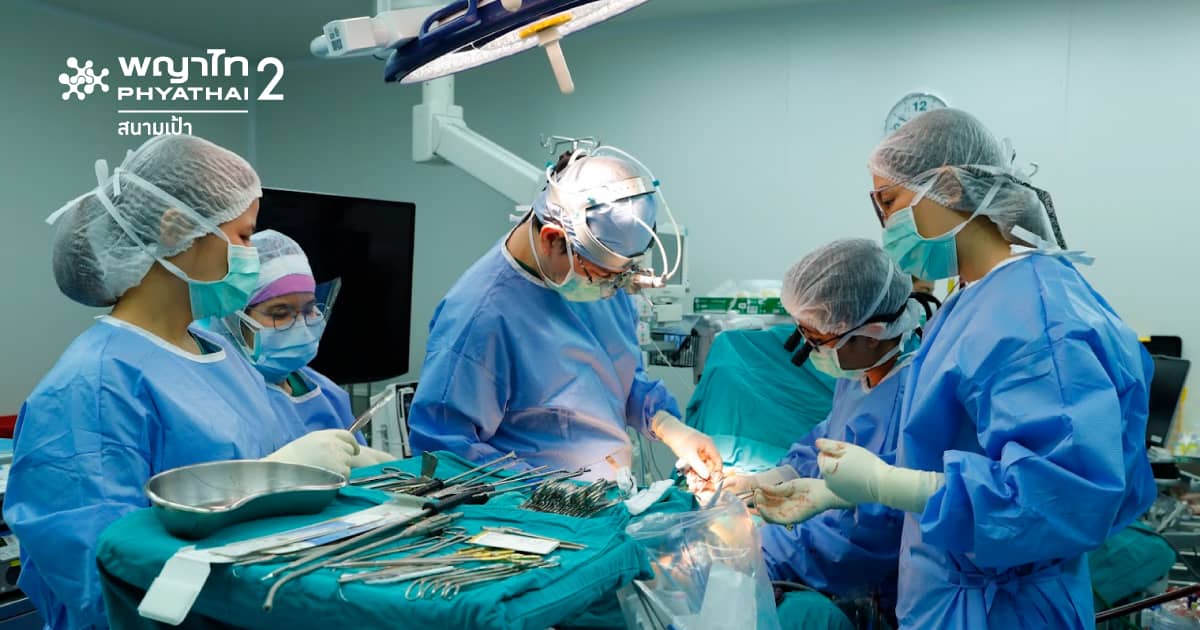
Aortic valve replacement is a treatment option for patients with aortic stenosis or aortic regurgitation. Without timely intervention, these conditions can lead to heart failure and even death.
Today, medical advancements have introduced a newer technique known as Minimally Invasive Aortic Valve Surgery (MI-AVS). This approach offers an effective alternative that reduces surgical pain, accelerates recovery, and minimizes post-operative complications, making it a highly beneficial option for many patients.
What is the aortic valve?
The aortic valve is one of the heart’s four main valves. Its primary function is to open and close to regulate blood flow from the left ventricle of the heart into the aorta—the body’s main artery that delivers oxygen-rich blood to the rest of the body. If the aortic valve does not function properly—for example, if it fails to open fully or becomes leaky—it can force the heart to work harder. This may lead to symptoms such as shortness of breath, chest pain, fainting, and an increased risk of heart failure.
How is minimally invasive surgery different from traditional surgery?
Traditional aortic valve replacement surgery typically requires a full opening of the breastbone (median sternotomy). While this method is safe and effective, it involves a large incision, longer recovery time, and a higher risk of infection.
In contrast, minimally invasive heart surgery involves making a smaller incision—either through a partial opening of the breastbone or a small cut on the side of the chest (mini-thoracotomy). Surgeons use specialized instruments and a video camera to perform the procedure. This technique offers the same effectiveness as the traditional approach but with several clear advantages:
- Smaller incision and less pain
- No need to cut through the entire breastbone
- Reduced blood loss
- Lower risk of infection
- Shorter hospital stay
- Faster recovery and quicker return to daily life
Who is a suitable candidate for minimally invasive aortic valve surgery?
Minimally invasive surgery is not suitable for all patients. Doctors will evaluate a range of factors, including:
- Overall physical health
- Structure of the chest and breastbone
- The type and severity of the valve disease and any coexisting conditions
- History of previous heart surgeries or other cardiac conditions
Generally, patients who are in good overall health, have no complex medical complications, and have never undergone prior heart surgery are the most suitable candidates for this less invasive approach.
What are the steps of minimally invasive aortic valve surgery?
- General Anesthesia
The patient is placed under full general anesthesia to ensure they are unconscious and pain-free during the procedure. - Small Incision
A small incision, approximately 4–6 centimeters, is made either at the upper part of the breastbone or between the ribs on the side of the chest. - Heart-Lung Machine
A heart-lung machine is connected to temporarily take over the function of the heart and lungs, maintaining blood circulation during surgery. - Valve Replacement
The surgeon removes the damaged aortic valve and replaces it with a prosthetic valve—either a biological (tissue) valve or a mechanical valve. - Wound Closure
After the replacement is complete, the incision is carefully closed, and the patient begins the recovery process.
Postoperative Care: What to Expect After Surgery
After the surgery, patients will be monitored closely in the Intensive Care Unit (ICU) for a short period. Once stabilized, they will be transferred to a general ward for continued recovery. Most patients can return home within 5–7 days, depending on their overall health condition. Follow-up appointments will be scheduled to monitor recovery. Key home care instructions include:
- Avoid lifting heavy objects
- Keep the surgical wound clean and dry
- Take medications as prescribed and attend follow-up appointments
- Begin light physical activity as advised by the doctor
Minimally invasive aortic valve replacement represents a significant advancement in cardiac surgery—offering effective, safe treatment with less pain and a quicker recovery. When combined with the expertise of experienced cardiac specialists and modern surgical technology, it ensures optimal outcomes and improved quality of life for patients.
At Phyathai 2 Hospital, our team of cardiac surgeons is specially trained in Minimally Invasive Cardiac Surgery, supported by a comprehensive Heart Center that offers a full range of services—from accurate diagnosis and thorough pre- and post-operative care to close follow-up monitoring. This ensures that every patient receives safe, personalized, and reliable care at every step of the journey.
If you are experiencing unusual heart symptoms or suspect a heart valve disorder, Phyathai 2 Hospital is ready to provide expert consultation and care. With our highly skilled medical team and cutting-edge technology, we are committed to helping you return to a healthy and confident life as quickly as possible.
