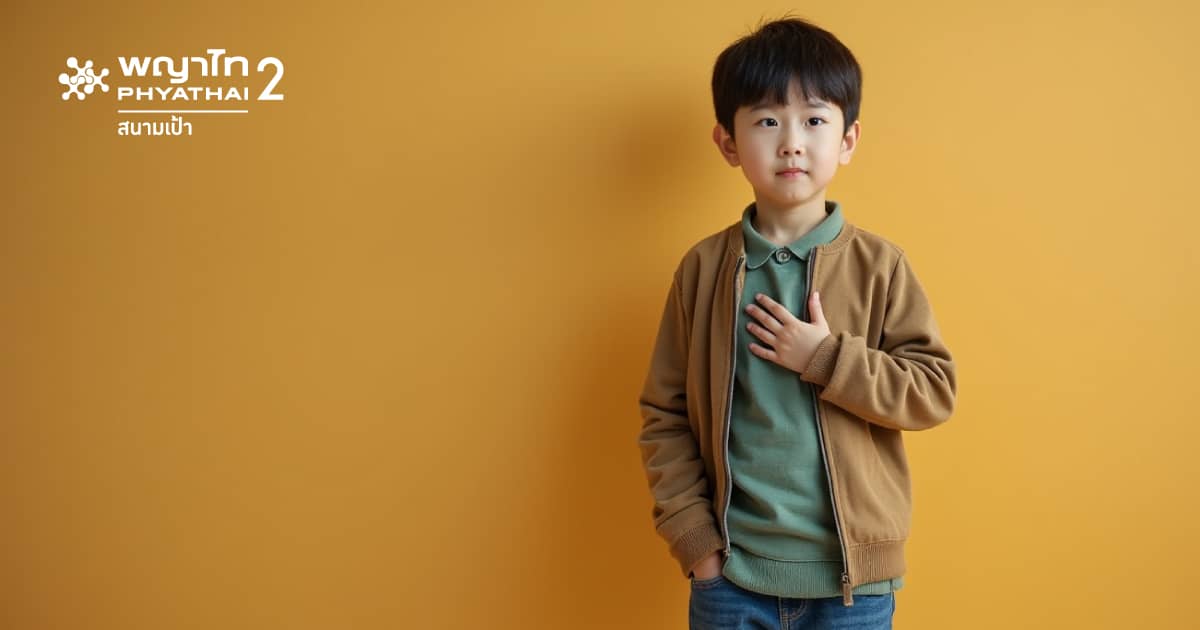
What is Pectus Excavatum?
Pectus Excavatum, medically known as “Pectus Excavatum” is a structural abnormality of the chest wall where the sternum is sunken deeper into the chest cavity than normal. It results from abnormal growth of the cartilage in the ribs and sternum, causing an abnormal chest shape and may affect heart and lung function in some cases.
Causes of Pectus Excavatum
The exact cause of pectus excavatum is currently unknown but may be related to genetic factors. It has been observed that some families have multiple members affected by this condition. It may also be associated with connective tissue disorders such as Marfan syndrome or Ehlers-Danlos syndrome.
Risk Groups
- More common in boys than girls (ratio approximately 3:1)
- Symptoms usually become more apparent during puberty (adolescence)
- Occurs in about 1-6 people per 1,000 individuals
Symptoms of Pectus Excavatum
Symptoms vary among individuals. Some may have no symptoms at all, but severe cases may experience:
- Noticeable sunken and deformed chest
- Difficulty breathing, easy fatigue especially during activities
- Chest pain
- Palpitations
- Reduced exercise capacity
- Low self-confidence about body shape affecting mental health
Diagnosis
- Physical examination by a thoracic or cardiac specialist
- CT Scan to measure the severity of the depression using the Haller Index > 3.25, which indicates severe condition and consideration for surgery
- Echocardiogram to check for valve leakage or heart compression
- Pulmonary Function Test (PFT) to assess lung function
Treatment Options for Pectus Excavatum
- Non-surgical treatment
Vacuum Bell Therapy
-
- Suitable for children aged 8-12 years whose bones are still flexible
- Uses a vacuum device to lift the sternum upward
- Must be used continuously for 1-2 hours daily for several months to years
- Surgical treatment
Nuss Procedure
-
- A modern surgery using small incisions under the armpits
- Inserts a curved metal bar (Nuss Bar) under the sternum to push the bone upward
- Uses a camera to assist the surgery for accuracy
- The metal bar remains in the body for 2-4 years before removal
Ravitch Procedure
-
- An open chest surgery
- Removes deformed cartilage and repositions the bones correctly
- Usually used in complex structural cases or with other abnormalities
Post-Treatment Care
- Avoid strenuous or impact activities such as football and volleyball
- Light activities such as walking and swimming can be done after recovery
- Keep surgical wounds clean to prevent infection
- Follow up regularly with your doctor as scheduled
Comparison of Nuss and Ravitch Procedures
| Characteristic | Nuss Procedure | Ravitch Procedure |
| Surgical incision | Small, hidden under the armpits | Large mid-chest incision |
| Recovery time | Faster (1-2 weeks) | Slower (3-4 weeks) |
| Pain level | Less | More |
| Popularity | Popular among adolescents and adults | Used only in special cases |
Complications of Untreated Pectus Excavatum
If left untreated in necessary cases, complications may include:
- Reduced heart and lung function
- Risk of valve leakage
- Decreasing self-confidence
- Emotional and psychological problems such as anxiety or depression
Pectus excavatum is a treatable condition, especially if detected early and treated appropriately according to age and severity. Patients who receive proper treatment can return to normal life, exercise, and regain self-confidence.
If you or your child has a sunken chest or suspect any abnormality, you should consult a specialist promptly for evaluation and the best treatment plan.
Assoc. Prof. Dr. Sira Laothai
Thoracic surgeon specializing in lung and thymus endoscopic surgery
