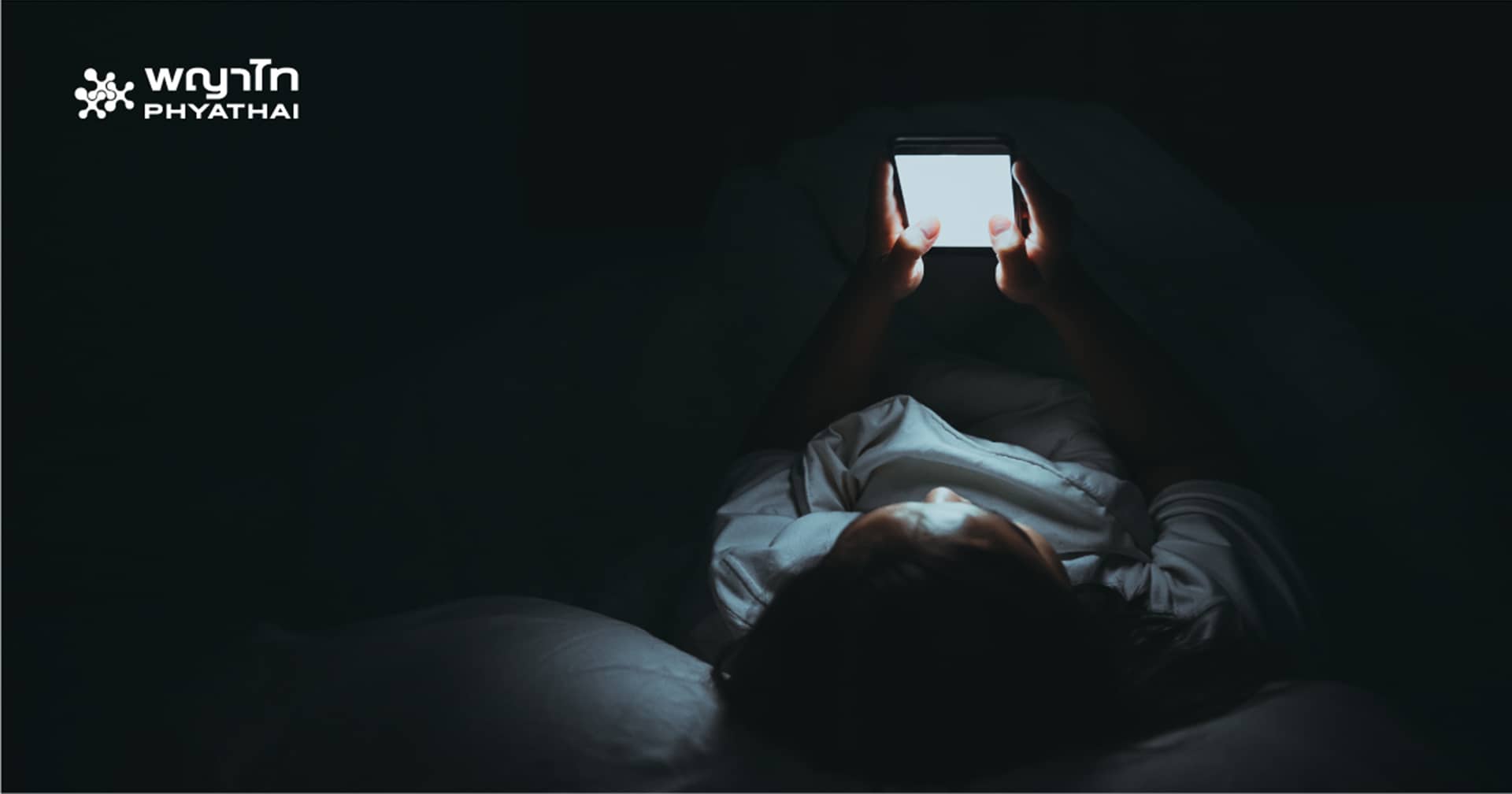
In an average day, you might spend nearly 8 hours in front of a computer screen, and after work, rush home to binge-watch series. This can lead to minimal rest for your eyes. Prolonged screen time – especially at night using tablets or smartphones—can contribute to what is known as “Technology Syndrome.”
Focusing on a small screen causes the pupils to dilate more than normal, particularly in low-light conditions. This can lead to acute glaucoma or even blindness. Warning signs of acute glaucoma include:
- Eye irritation
- Dry eyes
- Watery eyes
- Pain in the eye socket
- Blurred vision or unclear sight
Causes of acute glaucoma
Typically, our pupils constrict and dilate in response to light. In bright conditions, they shrink; in dim conditions, they expand. Prolonged use of tablets or smartphones can cause the pupils to remain in a semi – dilated state, which may obstruct the drainage angle of the eye. The drainage angle is formed by the intersection of the iris and the cornea, and varies among individuals. Some may have a wide angle of 45 degrees, while others may have a narrow angle of only 10 degrees. Those with narrow angles are at higher risk, as dilation can block the angle and impede fluid drainage, leading to increased intraocular pressure and acute glaucoma.
How to care for your eyes
You can start taking care of your eye health by ensuring you get at least 7 hours of sleep and staying hydrated to maintain moisture in your eyes. You can also apply a cold compress using a towel folded into thirds, soaked in cold water, and then wrung out. Place it across your temples and over your eyes, avoiding the bridge of your nose, for 20 minutes with a 1-minute break, twice a day. This helps reduce stress and increase moisture in your eyes. For technology use, limit your screen time to about 25 minutes followed by a 5-minute break, or use for 30 minutes followed by a 10 minute break.
