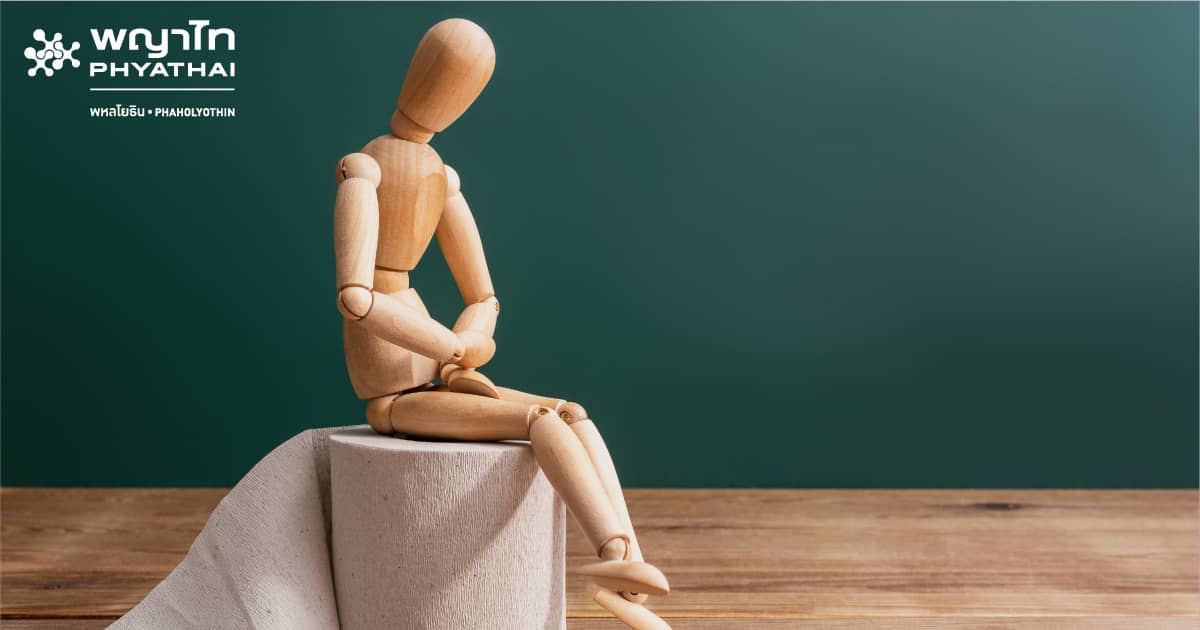
People commonly experience constipation that intermittently disturbs their body and mind. Some feel irritable and uneasy, some have bloating and discomfort, and some even lose their appetite, have insomnia, and cannot concentrate on studying or working. Therefore, constipation significantly affects the quality of life.
What causes constipation?
- Constipation increases with age; the older you get, the higher the chance of constipation.
- Constipation related to smoking.
- Constipation due to underlying diseases such as diabetes, high cholesterol, high blood pressure, and obesity.
- Lack of exercise can also cause constipation.
- Eating foods low in fiber and drinking little water.
- Stress and depression.
- Certain diseases of the intestinal system.
What to do if you have chronic constipation
First, we need to identify the root cause of constipation, such as whether you are drinking too little water or eating too little fiber-rich food like vegetables and fruits.
- You should eat at least 2 handfuls of fresh vegetables per meal.
- Cooked vegetables 1 handful per meal, fruits 15 bites per day.
- Avoid certain medications that cause constipation (e.g., calcium tablets).
- Move around a bit. Being inactive, sitting or lying down all day contributes to constipation. You should exercise at least half an hour a day because exercise not only helps the intestines move but also reduces stress, irritability, and depression. The more stressed you are, the less your intestines work, and the worse the constipation becomes.
- Change eating habits. Each meal should include some vegetables. Don’t eat only fried pork or fried chicken every meal. Alternatively, add fruits and whole grains, which help improve bowel movements.
Laxatives are among the most commonly used medications in Thailand. Most over-the-counter laxatives stimulate the large intestine to contract more than usual to promote bowel movements. If used frequently over a long period, the large intestine can become lax and unable to contract on its own, making it impossible to have bowel movements without laxatives.
Up & Down, it’s time to get up and exercise
Exercise moves different parts of the body. When the stomach and intestines move better, food can pass through more easily and smoothly. Compared to people who sit still all day at work, their intestines remain motionless, causing waste to accumulate and harden into lumps, which easily leads to constipation.
