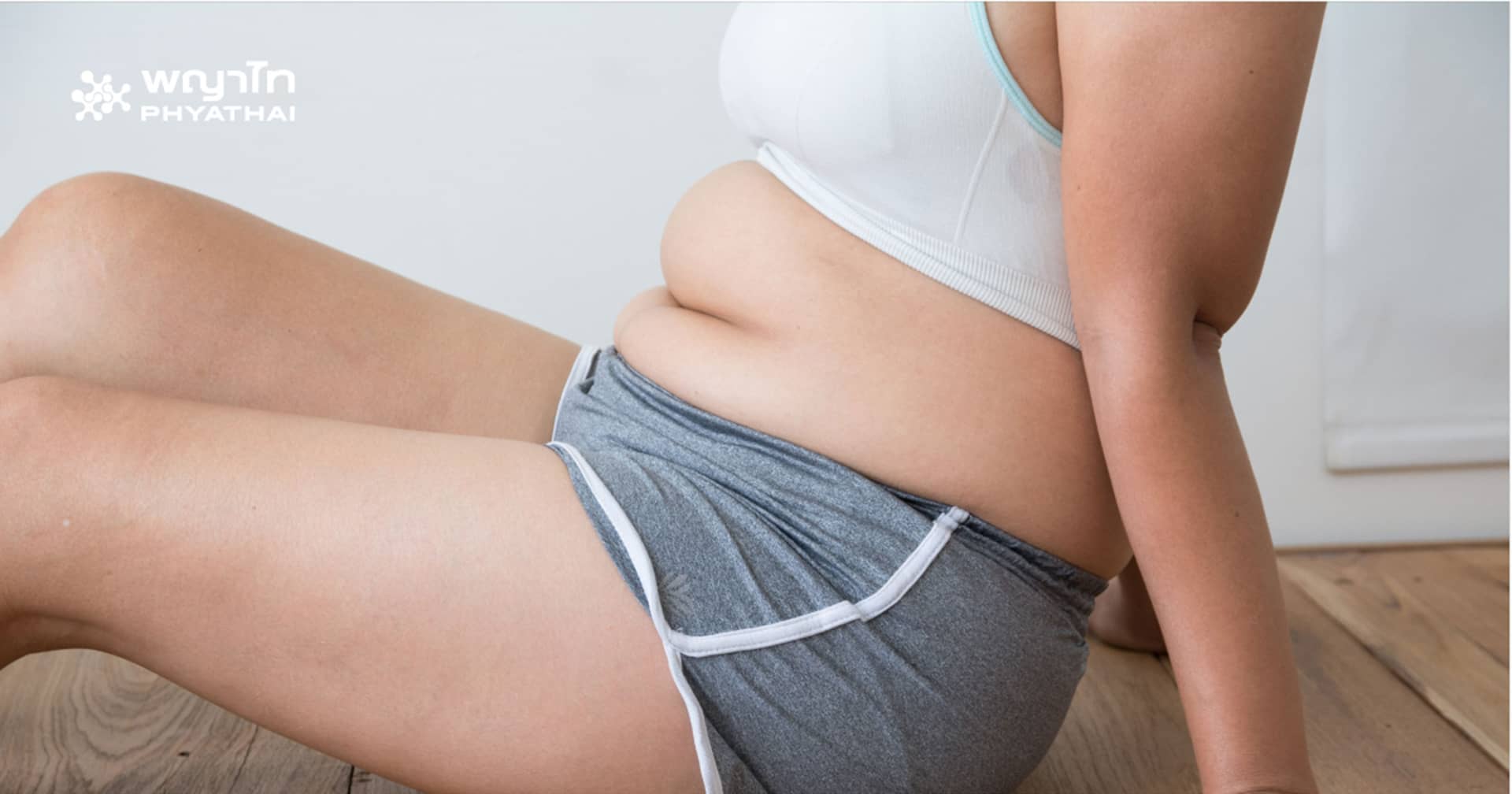
One of the major causes of osteoarthritis is being overweight or obese because the more body weight there is, the more burden the joints have to bear, especially the knees, hips, and back, which are the main supports for the body’s weight. Regular exercise and weight control are therefore important, particularly aerobic exercises that help burn energy effectively. However, if patients are concerned that exercise might harm their joints, they should choose types of exercise that do not put much pressure on the joints, such as swimming, water walking, walking, or cycling.
Comparison of Body Mass Index (BMI) values from the formula
Body weight (kilograms) / Height (meters) squared
| Body Mass Index | Interpretation |
| Less than 18.5 | Underweight |
| 18.5 – 22.9 | Normal |
| 23.0 – 24.9 | Overweight |
| 25.0 – 29.9 | Obese |
| Greater than or equal to 30 | Severely obese |
Example of weight criteria calculated by BMI, classified by height
|
Height (meters) |
Body Weight (kilograms) |
||
|
Normal weight |
Overweight |
Obese | |
| 1.50 | 41.6 – 51.5 | 51.6 – 56 | More than 56 |
| 1.55 | 44.4 – 55.0 | 55.1 – 59.8 | More than 59.8 |
| 1.60 | 47.3 – 58.6 | 58.7 – 63.7 | More than 63.7 |
| 1.65 | 50.4 – 62.3 | 62.4 – 67.8 | More than 67.8 |
| 1.70 | 53.5 – 66.2 | 66.3 – 72.0 | More than 72 |
| 1.75 | 56.7 – 70.1 | 70.2 – 76.3 | More than 76.3 |
Studies have found that in overweight individuals, weight loss can reduce the risk factors for developing knee osteoarthritis by up to 50%. When overweight, weight should be reduced or controlled to prevent further increase because excess weight increases pressure or impact on the joints during movement, whether standing or walking. The knees have to bear 2-3 times the body weight.
However, losing weight is not easy; it requires motivation and discipline in controlling one’s weight, understanding nutrition, and proper exercise. Even a small amount of weight loss can help reduce joint pain.
